In gay slang, an otter is usually a gay, bisexual, or queer man who is lean, slim, or average-built and noticeably hairy. He may have body hair, facial hair, a beard, a natural rugged style, or a relaxed masculine energy without fitting the larger body type often associated with bears.
Table of Contents
But gay otter culture is not only about body shape.
For many men, the word “otter” offers a way to feel seen between categories. Maybe you are too hairy to feel like a twink, too lean to feel like a bear, too natural-looking for polished gay beauty standards, or simply more comfortable with a label that feels playful rather than rigid.
Otters are often connected to the bear community, but they are not just “small bears.” Otter identity can express body hair, ease, self-acceptance, attraction, humor, softness, confidence, and a more relaxed way of being visible in LGBTQ+ spaces.
What does otter mean in gay slang?
In gay slang, an otter is usually a gay, bisexual, or queer man who is lean, slim, or average-built and noticeably hairy. Otters are often seen as part of, or adjacent to, the bear community: less stocky than bears, usually hairier than twinks, and often connected to body positivity, natural masculinity, and relaxed self-expression.
A 2025 article from Men’s Health on what otter means in the gay community describes the term as more than a simple physical label, noting that it can help some queer men find belonging, validation, and pride in their natural bodies.
| Term | Meaning | How it relates to otters |
|---|---|---|
| Otter | Lean or average-built hairy gay, bi, or queer man | Central topic |
| Bear | Bigger, hairy, mature, rugged, or bear-identified man | Otters often overlap with bear culture |
| Cub | Younger bear or newer bear-adjacent man | Can be close to otter identity |
| Twink | Slim, youthful, usually smooth man | Otters are usually hairier |
| Wolf | Lean, rugged, hairy, masculine-coded man | Sometimes close to otter |
| Chaser | Someone attracted to bears, otters, chubs, or daddies | Potential dating match |
| Daddy | Mature, confident, experienced man | Often part of bear/otter dating culture |
| Admirer | Someone attracted to a type or subculture | Can be attracted to otters |
Otter vs bear vs twink: what is the difference?
The easiest way to understand otter meaning in gay slang is to compare it with nearby LGBTQ+ body-type labels.
Otter
An otter is usually lean, slim, or average-built and hairy. He may have chest hair, facial hair, body hair, a beard, or a natural masculine style. Otters often feel close to bear culture, but their bodies are typically less large or stocky than classic bears.
Bear
A bear is often bigger, stockier, hairy, mature, rugged, bearded, or connected to bear culture. Bear identity can be physical, social, sexual, aesthetic, or community-based. The Bear History Project documents how modern bear culture grew through San Francisco communities, BEAR Magazine, bars, parties, and early online networks.
Twink
A twink is usually slim, youthful, and smooth or less hairy. This label is often associated with youth, softness, and a more hairless body ideal. Otters may share a slim build with twinks but are usually defined by visible hair.
Cub
A cub is often a younger bear or someone newer to bear culture. Some cubs are bigger-bodied; others are smaller or bear-adjacent. Depending on local usage, a hairy younger man might be called a cub, an otter, or both.
Wolf
A wolf is often lean, hairy, rugged, and masculine-coded. Wolves can sit somewhere between otters and bears, depending on body type and community usage.
Chaser
A chaser is someone attracted to bears, otters, chubs, daddies, or bigger/mature men. A chaser can have any body type.
These labels are not scientific categories. They are community shorthand. They help people describe attraction, style, and belonging, but they should never replace self-identification.
Where does the term “otter” come from?
The exact origin of otter in gay slang is hard to pin down. Like many LGBTQ+ community terms, it likely developed through informal use before appearing more widely in media, online spaces, and dating apps.
It is safer not to claim one precise origin story.
A more accurate way to explain it is this: the term appears to have developed within or near bear subculture, especially as gay men used playful “animal” labels to describe body types, attraction, and community. Bear culture expanded the language of gay bodies beyond mainstream ideals; otter became one way to name a leaner, hairier man who did not fully fit either “bear” or “twink.”
Modern bear culture itself gained visibility in the San Francisco Bay Area during the 1980s, through bars, parties, BEAR Magazine, local networks, and early digital communities. The Bear History Project by Les K. Wright is one of the key resources documenting that history.
So instead of saying otter culture has one fixed birthplace, it is better to see it as part of a wider gay vocabulary that grew around bears, cubs, chasers, wolves, chubs, and other community labels.
Otters and the bear community: a shared language of body diversity
Otter culture makes more sense when placed next to bear culture.
Bear culture created space for men who were often excluded from mainstream gay beauty standards: bigger men, hairy men, older men, rugged men, chubby men, masculine-presenting men, soft men, and men who did not fit a polished, slim, hairless ideal.
Otters extended that language to leaner hairy men.
An otter may not identify as a bear, but he may feel at home in bear spaces because those spaces often celebrate:
- body hair;
- natural masculinity;
- beards;
- relaxed self-expression;
- maturity;
- softness;
- body diversity;
- attraction beyond mainstream gay standards;
- community over perfection.
This is why many otters date bears, daddies, cubs, chasers, chubs, and other otters. The language overlaps because the communities overlap.
Is being an otter only about body type?
No. Being an otter often starts with body type, but it can become more than that.
For some men, otter is simply a useful dating descriptor: lean, hairy, gay or bi. For others, it becomes part of identity, confidence, and community.
Otter identity can express:
- comfort with body hair;
- a natural look;
- relaxed masculinity;
- not fitting twink or bear stereotypes;
- feeling visible in bear-adjacent spaces;
- pride in a body that is neither smooth nor bulky;
- playful self-description;
- attraction to bears, daddies, chasers, or other otters.
The term should stay flexible. Not every lean hairy man identifies as an otter. Not every otter looks the same. And nobody should be forced into a label because of how others read their body.
Body hair, masculinity, softness, and self-acceptance
Body hair plays a central role in otter identity, but it should not become a rulebook.
Some otters are very hairy. Others have lighter body hair. Some have beards. Others have stubble or chest hair. Some are rugged and masculine-coded. Others are soft, gentle, feminine, playful, or fluid.
The healthiest version of otter culture does not say:
“You must look exactly like this.”
It says:
“Your natural body can be attractive too.”
That matters because gay male culture can be demanding. Many men feel pressure to be muscular, smooth, young, lean, fashionable, sexually confident, and constantly available. Otter identity offers another possibility: you can be lean without being a twink, hairy without being a bear, masculine without being rigid, and attractive without performing perfection.
Otter culture and LGBTQ+ inclusivity: welcoming, but not perfect
Otter and bear spaces can be welcoming, body-positive, and playful. But no LGBTQ+ subculture is automatically free from exclusion.
Like any community, otter and bear spaces can still reproduce:
- racism;
- femmephobia;
- transphobia;
- ageism;
- body shaming;
- ableism;
- rigid masculinity;
- fetishization;
- pressure to fit a narrow version of “natural” or “masculine.”
Bear World Magazine has discussed the importance of making bear spaces more inclusive for non-binary and trans-femme bears. The same principle applies to otter culture: a community that was created to give people room should not become another gatekeeping system.
The best otter and bear spaces are those that allow people to be hairy, smooth, lean, fat, trans, cis, bi, gay, queer, masculine, feminine, older, younger, disabled, racialized, shy, loud, soft, or undefined.
Labels should help people find each other. They should not become walls.
Is there an otter pride flag?
Some online communities use unofficial otter pride designs, paw symbols, or custom flags. However, there is no single globally recognized otter flag comparable to the International Bear Brotherhood Flag.
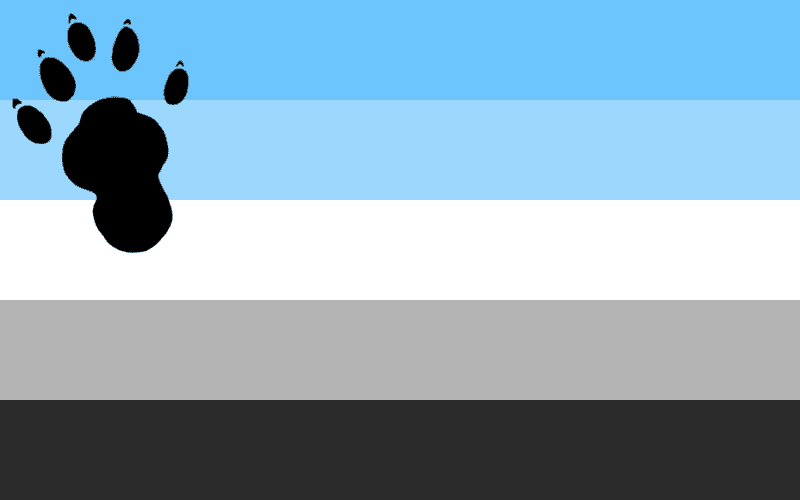
The bear flag is well documented. According to Bear World Magazine’s history of the International Bear Brotherhood Flag, Craig Byrnes created the bear flag in 1995, using earth-toned stripes and a black bear paw to represent bear identity and diversity.
Otter culture does not yet have a symbol with that same global recognition.
If you see an otter flag online, treat it as a community-made or unofficial design unless a source clearly explains its origin and usage.
Otters in dating apps: how to present yourself
Dating apps can make labels useful. A clear profile helps people understand your style, your body type, your interests, and what kind of connection you want.
If you identify as an otter, you can mention it in a natural way.
Example otter dating bios
“Otter / hairy guy, into good conversation, coffee dates, and men who know what they want.”
“Lean, bearded, bear-friendly otter. Open to friendship, dating, or something serious if the chemistry is right.”
“Otter into bears, daddies, and mature men. I like respectful chats before meeting.”
“Hairy, easygoing, more into real connection than endless scrolling.”
“Otter, travel lover, looking for bears, chasers, and kind men with a sense of humor.”
What to avoid
Avoid writing a profile that apologizes for your body:
“Not a bear, not a twink, I don’t know what I am.”
Try:
“Otter, natural, hairy, relaxed, and open to meeting someone genuine.”
Your profile should help you feel visible, not unsure.
How Bearwww helps otters meet bears, chasers, daddies, and admirers
Bearwww can be useful for otters because it is built around bear-spectrum dating and includes bears, otters, daddies, chasers, cubs, chubs, hairy men, mature men, and admirers.
The official Bearwww Google Play listing describes the app as a dating space for gay and bisexual men where identities and styles such as bear, chaser, daddy, otter, hairy, cub, chub, and silver daddies are welcome.
The Bearwww official website also describes the platform as a dating and chat app made for the bear spectrum, including bears, cubs, chubs, daddies, and the people who love them.
For otters, Bearwww can help you:
- meet bears and daddies;
- connect with chasers and admirers;
- chat with other otters;
- find bear-friendly dating spaces;
- talk before meeting;
- make local or international connections;
- feel less invisible than on generic apps;
- date within a community that understands body-type language.
Bearwww should not be framed as “only for bears.” Otters are part of the wider bear-spectrum ecosystem, especially when they feel connected to body hair, bear culture, or bear-adjacent dating.
First-message examples for otters on Bearwww
A good first message is simple, respectful, and personal.
Instead of:
“Pics?”
“Looking?”
“Into otters?”
Try:
“Hey, your profile caught my eye. Are you more into coffee dates, casual chats, or something serious?”
“I’m an otter and pretty bear-friendly. What kind of connection are you looking for here?”
“You seem easygoing. Want to chat a bit and see if the vibe is there?”
“I saw you’re into bears and otters. I’m more on the otter side and like good conversation first.”
“I like that your profile feels warm. Are you open to meeting if the chat goes well?”
If you are messaging a bear or daddy
“I’m an otter into bears and mature men, but I prefer respectful conversations before meeting.”
If you are messaging another otter
“Always nice to find another otter here. Are you more into bears, chasers, or other hairy guys?”
If you want something serious
“Otter here, looking for something real if the chemistry is right. What brings you to Bearwww?”
The best messages make it easy for the other person to answer.
Safety, privacy, and boundaries in otter dating
Otter dating, bear dating, and gay dating all need boundaries.
Good practices include:
- do not send money to someone you have not met;
- avoid suspicious links;
- protect private photos;
- do not share your address too quickly;
- do not send explicit content without consent;
- use block and report tools;
- meet in public first if you are unsure;
- respect “no” immediately;
- do not pressure someone for body photos;
- do not expose people who are not out;
- trust your instincts.
Community labels can make dating easier, but they do not replace respect.
Being an otter does not mean you owe anyone access to your body, photos, time, or attention.
Can otter identity change over time?
Yes. LGBTQ+ labels can change as bodies, identities, desires, and communities change.
A man may identify as a twink when younger, then as an otter later. An otter may become more connected to bear culture and start identifying as a bear or cub. Someone may use “otter” on dating apps but not in daily life. Another person may reject body-type labels entirely.
That is normal.
Labels should serve people, not trap them.
If “otter” helps you feel visible, use it. If it stops fitting, let it go.
Conclusion
Gay otter culture is about more than being a lean hairy guy. It is a language of body, desire, belonging, and self-acceptance within the wider LGBTQ+ and bear-community world.
An otter may sit between bear and twink, but he does not exist only as a comparison. Otters bring their own energy: natural, hairy, relaxed, playful, confident, soft, rugged, masculine, queer, or anything in between.
The healthiest version of otter culture celebrates body hair without making it mandatory, masculinity without making it rigid, and labels without turning them into boxes.
For dating, Bearwww can be a natural space for otters because it welcomes bear-spectrum profiles: bears, otters, daddies, chasers, cubs, chubs, hairy men, mature men, and admirers.
At its best, otter culture says something simple and powerful:
You do not need to be smooth, huge, young, perfect, or easy to categorize to be desirable.
You can be exactly where you are — hairy, lean, soft, strong, in-between, undefined — and still belong.
FAQ — Gay Otter Meaning, Otter Culture, Bears, Twinks, and Dating
What does otter mean in gay slang?
In gay slang, an otter is usually a gay, bisexual, or queer man who is lean, slim, or average-built and noticeably hairy. Otters often have body hair, facial hair, a beard, or a natural rugged style.
Is an otter the same as a bear?
No. Otters and bears often overlap culturally, but they are not the same. Bears are usually bigger, stockier, mature, or rugged, while otters are usually leaner or slimmer and hairy.
What is the difference between an otter and a twink?
Both otters and twinks can be slim, but twinks are usually associated with youth and smoothness, while otters are usually defined by visible body hair or facial hair.
Do you have to be hairy to be an otter?
Hairiness is one of the main features associated with otter identity, but labels are flexible. Some otters are very hairy, while others have lighter body hair, facial hair, or a more natural rugged look.
Can bisexual men identify as otters?
Yes. Otter is commonly used in gay and bisexual male communities, but it can also be used by queer men or people who feel connected to the label and its body or community meaning.
Are otters part of the bear community?
Many otters feel connected to the bear community, especially because both cultures value body hair, natural presentation, and alternatives to mainstream gay beauty standards. However, not every otter identifies as bear-adjacent.
What is otter culture?
Otter culture is the community language, dating identity, and body-positive space around lean or average-built hairy men. It often overlaps with bear culture, chasers, daddies, cubs, wolves, and admirers.
Is there an otter pride flag?
Some online communities use unofficial otter pride designs or paw symbols, but there is no single globally recognized otter flag comparable to the International Bear Brotherhood Flag.
How can otters meet bears and chasers?
Otters can meet bears, chasers, daddies, and admirers through bear-friendly apps, LGBTQ+ events, bear nights, Pride events, social groups, and dating platforms like Bearwww.
Is Bearwww good for otters?
Yes. Bearwww can be useful for otters because it is built around bear-spectrum dating and includes bears, otters, daddies, chasers, cubs, chubs, hairy men, mature men, and admirers.
How should I write an otter dating profile?
Use recent photos, describe your style honestly, and say what kind of connection you want. For example: “Otter / hairy guy, bear-friendly, into good conversation, coffee dates, and genuine connection.”
Can otter identity change over time?
Yes. LGBTQ+ labels can change as bodies, identities, desires, and communities change. Someone may identify as a twink, otter, cub, bear, or none of these at different points in life.
Sources and useful links
Editorial information
- What otter means in the gay community — Men’s Health.
- Bear History Project — Les K. Wright, bear culture history.
- International Bear Brotherhood Flag history — Bear World Magazine.
- Non-binary and trans-femme bears in bear spaces — Bear World Magazine.
- Bearwww official website — bear-spectrum dating and chat app.
- Bearwww on Google Play — official app listing.
Written by: Bearwww Editorial Team
Reviewed by: Alain VEST culture editor / bear community contributor / dating safety reviewer
Last updated: May 1, 2026
Editorial note:
This article explains the meaning of otter in gay slang and LGBTQ+ dating culture. Community labels can be useful, playful, and affirming, but they should never be used to box people in. Everyone has the right to define themselves in their own words.